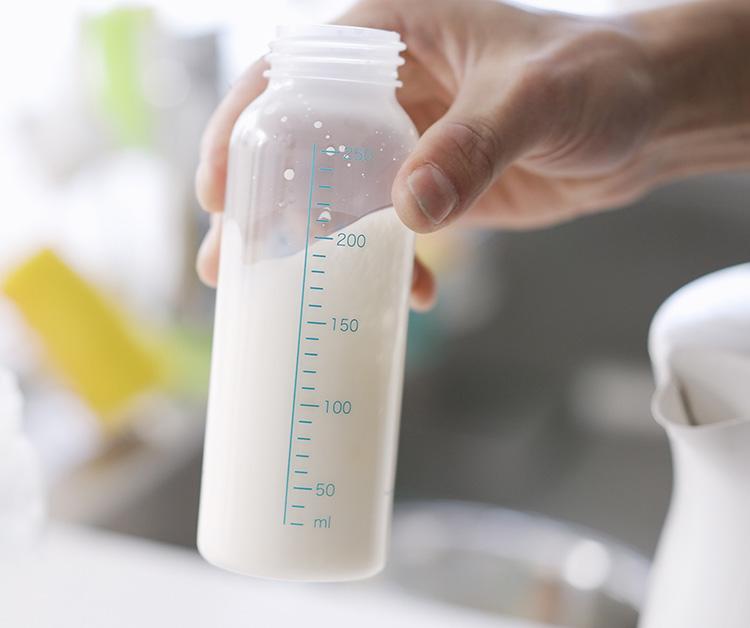
Palm olein oil is a plant-based oil used in infant formula to help bring the fatty acid profile of formula closer to that of breast milk and provide essential energy for your growing baby.
Last Updated On: March 18, 2026
If you’ve ever looked at a formula label and wondered why palm olein oil is included, you’re not alone. It's completely normal to scrutinize every ingredient going into your little one's tummy.
Here’s the quick answer: Palm olein oil is a specific type of vegetable oil1 used in infant formulas to provide palmitic acid, a fatty acid found in significant amounts in breast milk2. Read on to find out why it’s used, what parents should know, and some common concerns so you can feel confident in your feeding choice.
Palm olein oil is a vegetable oil derived from the fruit of the oil palm tree3. It’s rich in palmitic acid, a major fatty acid found in human breast milk that provides an important source of energy for growing babies.
The term "olein" simply refers to the liquid portion of palm oil after it has been fractionated (separated) from the solid portion4. This liquid oil is chosen specifically because it is a safe, high-quality source of fat. In our formula, it’s part of a blend of vegetable oils carefully balanced to replicate the complex fat composition of breast milk as closely as possible.
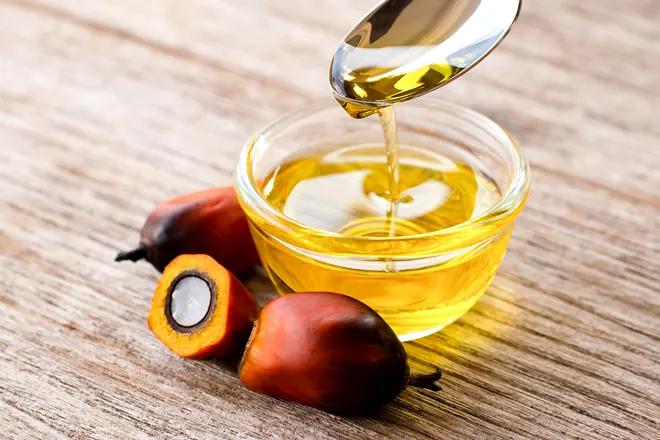
Palm oil, palm olein, and palm kernel oils all come from the same edible fruit. Palm olein oil is further clarified to be purer and more shelf-stable.
| Plant-Based Oil | Where It Comes From | What It's Used In |
|---|---|---|
| Palm oil | Edible part of the fruit | Used as-is for cooking, salad dressings, etc. |
| Palm olein oil | Edible part of the fruit | Shelf-stable foods, including baby formula, margarine, ice cream |
| Palm kernel oil | Seed of the fruit | Coffee creamer, margarine spreads |
The primary benefit of palm olein oil is that it allows formula manufacturers to closely match the fatty acid profile of breast milk, specifically in providing palmitic acid5, which supports infant growth and development.
Like breast milk, palm olein oil is an excellent source of fatty acids, including palmitic, oleic, and linoleic acids. Those fatty acids are sources of energy for the body that can also be considered “building blocks” that the body uses to grow cells.
Babies fed infant formula that has palm olein oil absorb and retain as much calcium for bone as healthy infants fed breast milk. When measured at 4 years of age, children fed our products as babies have bone mineral content and bone mineral density similar to those fed breast milk as infants6.
By closely matching the fatty acid profile of breast milk, a formula that has palm olein, such as Enfamil® NeuroPro® Infant Formula, helps support your child’s needs.
You may have seen discussions online questioning the use of "seed oils" or vegetable oils in diet. When it comes to baby formula, however, these oils serve a medically important purpose: They provide the essential fats that babies need to survive and thrive.
50% of breast milk’s energy supply comes from fatty acids, which are crucial for brain development and physical growth7. Cow's milk fat is not the same as human milk fat, so formula manufacturers use a blend of vegetable oils to replicate the specific mix of fatty acids found in breast milk.
These oils also play a critical role in the absorption of fat-soluble vitamins (A, D, E, and K)8, which are necessary for:
Still, we understand that concerns have been raised about the use of palm olein oil in infant formulas. Some have alleged that it negatively affects calcium absorption, bone mineralization, and stool health in infants fed formulas containing it.
However, we want to reassure you that these allegations are based on studies conducted more than 20 years ago (the Nelson 1998↗ study and Koo 2003↗ study) that have significant limitations. Rest assured, the oils used in Enfamil products meet strict quality assurance standards to support your baby's health. Numerous clinical studies have shown that the multi-oil fat blend in our infant formulas results in growth and development comparable to that seen in breastfed infants, is well tolerated, and promotes soft stools.
Navigating nutrition labels can be overwhelming, but you don't have to do it alone. Join Enfamil Family Beginnings® to get expert tips on other nutrition questions you may have, savings on your favorite formula, and a community that understands your concerns.
FAQs
Resources
1https://pmc.ncbi.nlm.nih.gov/articles/PMC6628844/↗
2https://pmc.ncbi.nlm.nih.gov/articles/PMC4794834/↗
3https://www.sciencedirect.com/topics/agricultural-and-biological-sciences/palm-oil↗
4https://pmc.ncbi.nlm.nih.gov/articles/PMC6628844/↗
5https://pmc.ncbi.nlm.nih.gov/articles/PMC7759907/↗
6https://www.ncbi.nlm.nih.gov/pubmed/15990636/↗
As with most things, practice makes perfect—and rest assured, you’ll get plenty of diaper-changing practice those first couple of years. In no time you’ll be a pro and be able to tackle your baby’s diaper with confidence. For more tips and resources on all things baby, including nutrition and feeding, be sure to join Enfamil Family Beginnings®. Enjoy up to $400 in savings, plus exclusive rewards, support, and surprises.
All information on Enfamil, including but not limited to information about health, medical conditions, and nutrition, is intended for your general knowledge and is not a substitute for a healthcare professional's medical identification, advice, or management for specific medical conditions. You should seek medical care and consult your doctor or pediatrician for any specific health or nutrition issues. Never disregard professional medical advice or delay seeking medical treatment, care, or help because of information you have read on Enfamil.
.png&w=3840&q=75)