Accessibility StatementSkip to main content
Enfamil Logo
Pregnant woman writing a hospital packing checklist in a notebook

Hospital Bag Checklist: What to Pack for Mom and Baby


This hospital bag checklist will save you from last-minute panic.

Last Updated On: July 15, 2026

What You’ll Learn Today

  • A pregnancy hospital bag checklist helps you stay organized before labor starts.
  • Mom’s bag should focus on comfort, recovery, and basic toiletries.
  • Baby’s bag only needs a few essentials, including a going-home outfit!
  • Optional extras, like snacks or headphones, can make the stay easier.

Whether it’s your first baby or your fifth, you’ll want to be prepared for when labor starts. A pregnancy hospital bag checklist can save you from last-minute stress, so you’re not running around at 2 a.m. making sure you have everything you need. Take a deep breath, relax, and learn more about what to pack in your hospital bag for baby and mom.

Why a Hospital Bag Checklist Matters

Putting together a hospital bag is one of the most important things you can do before baby arrives. A hospital bag checklist for mom and baby helps you feel calmer and more in control.

It’s also a simple way to make sure you don’t forget the basics, especially once labor starts and your mind is on a thousand different things. Childbirth is full of surprises, and this is one thing you can do to feel prepared, no matter what happens.

Hospital Bag Checklist for Mom

Your hospital bag list for mom should focus on comfort, recovery, and anything that helps you feel a little more like yourself during labor and after birth.

Essentials for Labor and Delivery

This is what to pack in a hospital bag for labor and delivery:

  • Photo ID, insurance card, and hospital paperwork: It’ll make billing go a little easier.
  • Your birth plan, if you have one: That way, everyone will be on the same page.
  • Cell phone and a long charger cord: Bring a charger cord at least 6 feet long so it reaches the plug behind the hospital bed. Consider clearing memory space on your phone so you have plenty of room for new baby photos!
  • Glasses or contacts, if you wear them: You’ll want to see what’s going on during labor and birth!
  • Any medications you take: Your provider should tell you what to bring.
  • Music and headphones: Create a few relaxing playlists—or an upbeat one—to help get you through labor.
  • Laptop/tablet/e-reader: Your favorite shows or books may help you (and your partner) pass the time during a long labor.
  • Hair ties or a stretchy headband: Labor gets intense, so you’ll probably want to keep your hair out of your face!

Postpartum Comfort and Recovery Items

This is what to pack for mom in a hospital bag when she’s recovering postpartum:

  • Facial/body massage oils or lotions, back massager, or stress-relieving squeeze ball: These items can help you stay relaxed and feeling like yourself.
  • Makeup: Some moms like the comfort of doing their makeup, but don’t worry about it if you don’t have the energy—you do you!
  • Pillows or blankets: Pillows from home may help you relax and rest comfortably. Use colored pillowcases so they don’t get mixed up with the hospital pillows.
  • Regular clothes: Plan on packing about three outfits with comfortable, loose items. Consider packing tops with openings or buttons in the front if you plan on breastfeeding. You’ll likely still look about six months pregnant post-delivery.1
  • Comfortable pajamas: It’s best to have a set of warm pajamas and a lighter set to help keep you comfortable.
  • Socks, slippers, or non-slip shoes: Hospitals provide socks, but you may prefer to wear your own.

Toiletries and Personal Care

The hospital can provide the basics. But using this checklist tailored to your needs can make you feel less like a patient and more like a human!

  • Toothbrush and toothpaste
  • Floss
  • Deodorant
  • Body wash
  • Lotion
  • Skincare products (cleanser, moisturizer, serums, etc.)
  • Lip balm
  • Shampoo and conditioner/dry shampoo
  • Hairbrush
  • Flip-flops for the hospital shower

Hospital Bag Checklist for Baby

Good news—your new baby won’t need much at the hospital. The hospital covers the essentials. Still, here’s what to add to your hospital bag list for baby.

Baby Clothing and Essentials

  • Going-home outfit: A baby’s first outfit should be soft, easy to put on, and appropriate for the season. Packing one newborn option and one 0–3 month option is a smart move.
  • Baby blanket: You may want one for swaddling your baby, and one to tuck around your baby in the car seat on the way home.
  • Car seat: You can’t bring your little one home without one! Make sure it’s properly installed ahead of time and that you know how to fasten the seat correctly.

Baby Care Items

  • Baby wipes: It never hurts to have extra on hand!
  • An emery board: Experts recommend trimming a baby’s nails once a week.2
  • Socks, mittens, and a hat: Newborns can get chilly even if the weather is warm.
  • Formula for your baby: If you plan to formula‑feed, consider packing the 2 fl oz ready‑to‑use Enfamil NeuroPro® Nursette® bottles in your hospital bag. Having them on hand can offer peace of mind knowing you’re prepared with the #1 pediatrician-recommended brand.

Optional Items to Consider

A mother’s hospital bag checklist can also include a few extras that are nice to have but not essential:

  • Snacks and drinks: After hours of labor, you’ll likely be pretty hungry. Pack granola bars, crackers, dried fruit, and bottled or flavored water. Bring sugar-free hard candy to suck on during labor.
  • Eye mask or earplugs: Hospitals are notorious for being loud and hard to sleep in—and you’ll need a good night of sleep to recover!
  • Notebook or magazine: You can keep a birth journal or stay up-to-date with the latest celebrity gossip.
  • Camera for photos: These days, phones have decent cameras, but you may want more professional photos.
  • Cash for vending machines or parking: Hospital cafeterias aren’t always open late when you get the munchies.
  • Gifts from the new baby: You may want to bring a little something for your other children from their new sibling.
  • An extra bag: You’ll likely be coming home with more stuff than you brought. Bring an extra bag for gifts and items from the hospital.

Hospital Bag Packing Tips

We’ve gone over the best hospital bag essentials ideas, but now it’s time to think about how—and when—to pack. The best tip: Finish your bag by around 36 weeks. Pack even earlier if your provider has told you that you may deliver sooner.

Here are a few more tips to follow:

  • Keep mom’s, baby’s, and partner’s items in separate bags or pouches.
  • Pack one small labor bag and one bigger recovery bag if that feels easier.
  • Put important documents at the top so they are easy to find.
  • Leave valuables at home.
  • Check what your hospital provides so you do not overpack.

Get Ready for Baby’s Arrival with Enfamil Family Beginnings

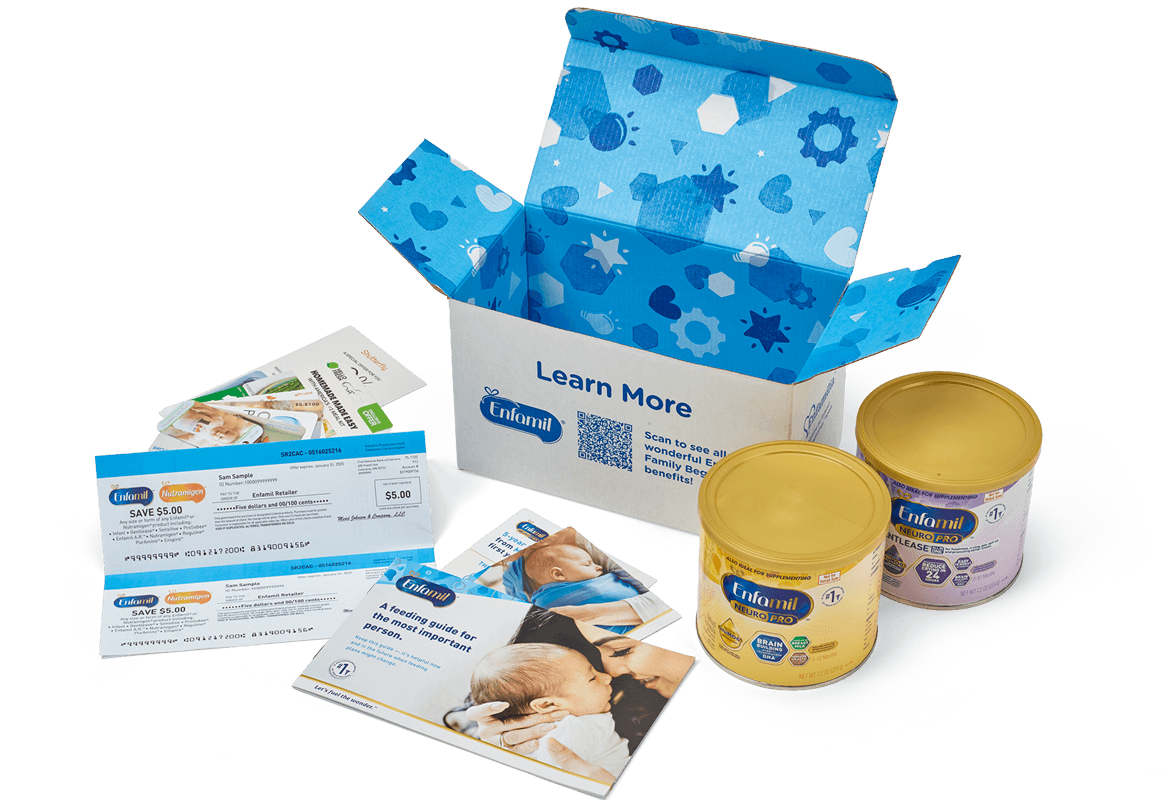
Becoming a new mom is a monumental change and milestone in your life. Enfamil Family Beginnings® can help you prep and save you money on baby formulas and supplies. Sign up and get baby tips delivered straight to your inbox, free baby formulas, coupons, rewards, and more.
FAQs

Share this article
Enfamil ProductsEnfamil Products

Join Enfamil Family Beginnings® for up to $400 in Free Gifts

During your pregnancy, you and your baby experience exciting changes every day. Prepare for your new arrival with help from Enfamil Family Beginnings. It’s the perfect resource for new and expecting moms. Save on Enfamil products, track your pregnancy and baby’s growth, and get helpful articles relevant to your journey.

Join Now

All information on Enfamil, including but not limited to information about health, medical conditions, and nutrition, is intended for your general knowledge and is not a substitute for a healthcare professional's medical identification, advice, or management for specific medical conditions. You should seek medical care and consult your doctor or pediatrician for any specific health or nutrition issues. Never disregard professional medical advice or delay seeking medical treatment, care, or help because of information you have read on Enfamil.