
The right nutrition during toddler brain development can make a real difference—here's what to focus on.
Your baby’s brain did a lot of cooking in the womb, but during the toddler years, things continue to grow. In fact, more than 1 million new neural connections are formed every second during your baby’s first years.1
What your toddler eats directly affects this process. The brain is a nutrient-hungry organ, and during toddler brain development stages, it depends on a steady supply of specific nutrients to build neural connections. Gaps in nutrition during this period can affect cognitive development, attention, and learning capacity.2
A toddler’s brain requires support from a number of different nutrients, and what you feed them can help.
The American Academy of Pediatrics has a policy statement that explains which nutrients are the most important for early toddler brain development. Some of them include:3
A balanced, varied diet is a good foundation for supporting your toddler's brain. No single food does it all!
Some of the best everyday foods for toddler brain development can include:2
Ready to support toddler brain activity? Try these diet-building tips.
It’s amazing how quickly a toddler’s brain can grow. Support them along the way by meeting their nutritional needs. You don’t need to get it perfect every day, but doing your best to offer a nutrient-dense diet goes a long way. For more help with balanced toddler meals, join Enfamil Family Beginnings. It’s a free program that offers toddler nutrition tips, product samples, and support at every stage of your child's development.
References:
1. https://developingchild.harvard.edu/key-concept/brain-architecture/↗
2. https://www.uclahealth.org/news/article/baby-brain-food-7-foods-to-fuel-brain-development↗
3. Sarah Jane Schwarzenberg, Michael K. Georgieff, COMMITTEE ON NUTRITION, Stephen Daniels, Mark Corkins, Neville H. Golden, Jae H. Kim, C. Wesley Lindsey, Sheela N. Magge; Advocacy for Improving Nutrition in the First 1000 Days to Support Childhood Development and Adult Health. Pediatrics February 2018; 141 (2): e20173716. 10.1542/peds.2017-3716
4. Spill M, Callahan E, Johns K, et al. Repeated Exposure to Foods and Early Food Acceptance: A Systematic Review [Internet]. Alexandria (VA): USDA Nutrition Evidence Systematic Review; 2019 Apr. WHAT IS THE RELATIONSHIP BETWEEN REPEATED EXPOSURE (TIMING, QUANTITY, AND FREQUENCY) TO FOODS AND EARLY FOOD ACCEPTANCE? Available from: https://www.ncbi.nlm.nih.gov/books/NBK582166/↗
5. https://www.firstthingsfirst.org/early-childhood-matters/brain-development/↗
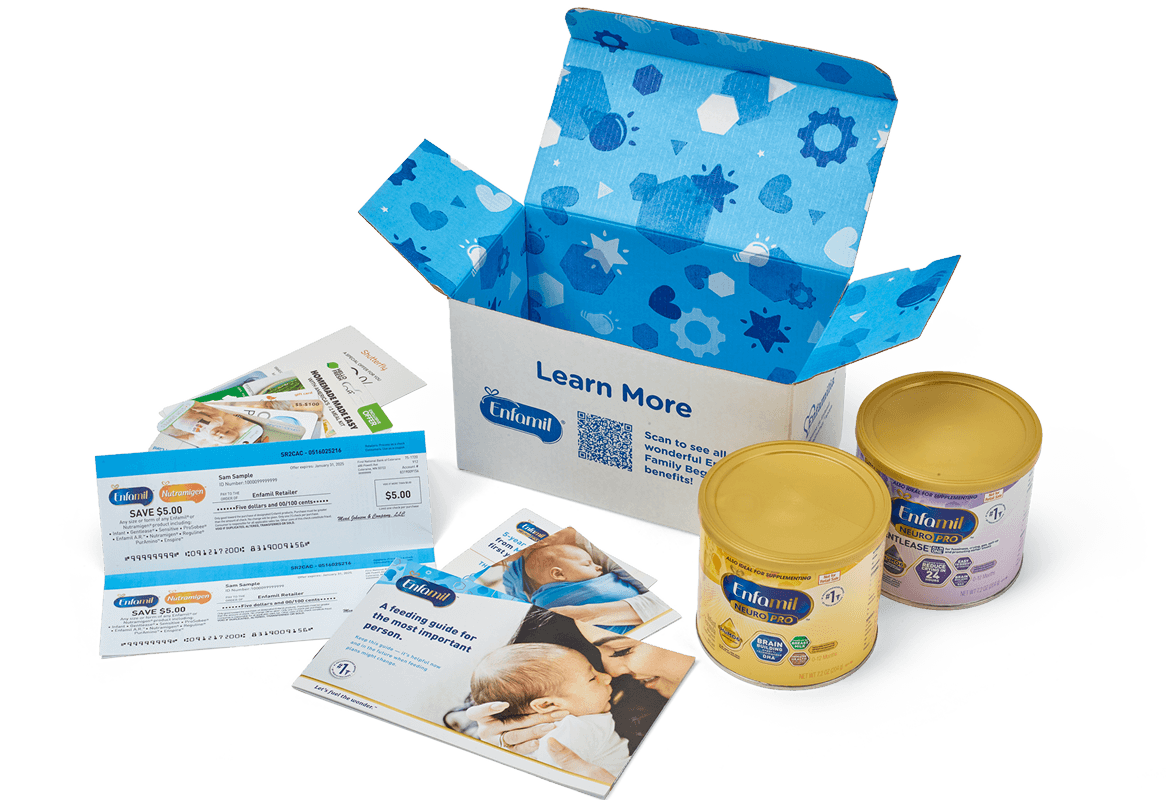
As with most things, practice makes perfect—and rest assured, you’ll get plenty of diaper-changing practice those first couple of years. In no time you’ll be a pro and be able to tackle your baby’s diaper with confidence. For more tips and resources on all things baby, including nutrition and feeding, be sure to join Enfamil Family Beginnings®. Enjoy up to $400 in savings, plus exclusive rewards, support, and surprises.
All information on Enfamil, including but not limited to information about health, medical conditions, and nutrition, is intended for your general knowledge and is not a substitute for a healthcare professional's medical identification, advice, or management for specific medical conditions. You should seek medical care and consult your doctor or pediatrician for any specific health or nutrition issues. Never disregard professional medical advice or delay seeking medical treatment, care, or help because of information you have read on Enfamil.
.png&w=3840&q=75)