
Cow’s milk allergy, also known as cow’s milk protein allergy (CMPA), is a common childhood food allergy, and infants who have it may have different experiences after consuming the proteins found in cow's milk. If you’re ever concerned that your little one may have it, don’t hesitate to contact your pediatrician.
Last Updated On: March 25, 2026
A cow's milk protein allergy (CMPA) is when your baby’s immune system overreacts to the proteins in cow's milk. It’s different from lactose intolerance, which is about digesting milk sugar and uncommon in infants. With CMPA, even a tiny amount of cow's milk protein can cause a reaction, whether from formula or passed through breast milk from mom’s diet. CMPA often shows up in the first few months. While it can feel overwhelming, the good news is most children outgrow it by the time they’re toddlers. The most important thing is to spot the signs early and team up with your pediatrician to find the best path forward for your little one.
| Indicator | Description |
|---|---|
| Colic | Prolonged crying (more than 3 hours/day, 3 days/week, for 3+ weeks) in an otherwise healthy baby. Often worst in the evening or night. Learn more about colic. |
| Nausea or vomiting | Your baby could feel sick or might vomit excessively. Learn more about baby vomit. |
| Reflux | Some babies have more severe reflux, spitting up large amounts, forcefully vomiting, choking, gagging, arching away from the bottle or breast, seeming irritable during or after feedings, or struggling to gain weight. |
| Diarrhea or unusual poops | Diarrhea can be frequent, watery, foul-smelling loose poops—especially concerning if baby becomes dehydrated. Breastfed baby poop is usually runny and seedy; formula-fed baby poop is typically thicker. If you notice blood and/or mucus in the stool, contact your doctor right away. Learn more about baby poop. |
| Gassiness | A bloated or firm stomach, clenched fists, stiff or pulled-up legs, and frequent passing of gas can indicate discomfort. Learn more about baby gas. |
| Constipation | Hard, pellet-like stools or infrequent bowel movements. Note: some healthy infants may go several days without pooping. Learn more about constipation. |
| Hay fever-like indicators | Sneezing, and an itchy, runny, or blocked nose may be signs of a reaction to cow’s milk. |
| Anaphylaxis | A rare but serious allergic reaction: indicators include difficulty breathing, fainting, facial swelling, and full-body skin irritation. Seek emergency medical help immediately (call 911). |
| Eczema or rash | Small red bumps on the face, scalp, hands, or feet that may itch, ooze, crust over, or feel dry and scaly. Learn more about baby rashes. |
If you suspect your baby may have a cow's milk protein allergy, following these steps could make identifying the allergy a bit easier, but remember, any number of things could be causing your baby’s behaviors, so it’s best to consult your pediatrician.
A CMPA rash often shows up as small, red bumps or dry, irritated patches on your baby’s face, scalp, hands, feet, or other areas. It can look scaly, rough, or even oozy, and is often linked to eczema, which may make your little one itchy or uncomfortable.
How to spot a CMPA rash vs. other baby rashes:
When to call the pediatrician: If the rash doesn’t improve, seems to bother your baby, or comes with feeding or digestive issues, it’s a good idea to check in with your pediatrician for advice and next steps.
Some cow's milk allergy indicators, such as gassiness and diarrhea, are similar to those of lactose intolerance. However, cow's milk protein allergy, dairy sensitivity, and lactose intolerance are all different.
Food allergies involve the immune system, and in the case of a cow's milk allergy, the body's immune system triggers an adverse response to the protein in cow's milk.
Lactose intolerance in babies and lactose sensitivity have to do with an inability to fully break down or digest lactose, a milk sugar. If you're unsure if your child has sensitivity vs CMPA talk your pediatrician about the issues your baby is experiencing.
If you think your little one may have an allergy to cow's milk protein, talk to your doctor about switching to Nutramigen®, a hypoallergenic formula that is clinically shown to manage colic due to cow's milk allergy in as quickly as 24 hours.* It helps more babies overcome cow's milk allergy and return to consuming regular milk in as soon as six months of feeding.1 It also has probiotic LGG, which helps reduce the incidence of future allergies related to cow's milk.†
For more information on managing CMPA, visit our cow's milk protein allergy management guide.
*Starts as early as 24 hours and 90% of infants experienced colic relief within 24 hours, due to cow’s milk allergy.
†Fewer incidences of asthma, rhinoconjunctivitis, urticaria, and eczema at 6 years compared to other hypoallergenic infant formulas.
References
Berni Canani R, Nocerino R, Terrin G, et al. Effect of Lactobacillus GG on tolerance acquisition in infants with cow’s milk allergy: a randomized trial. J Allergy Clin Immunol. 2012;129:580-
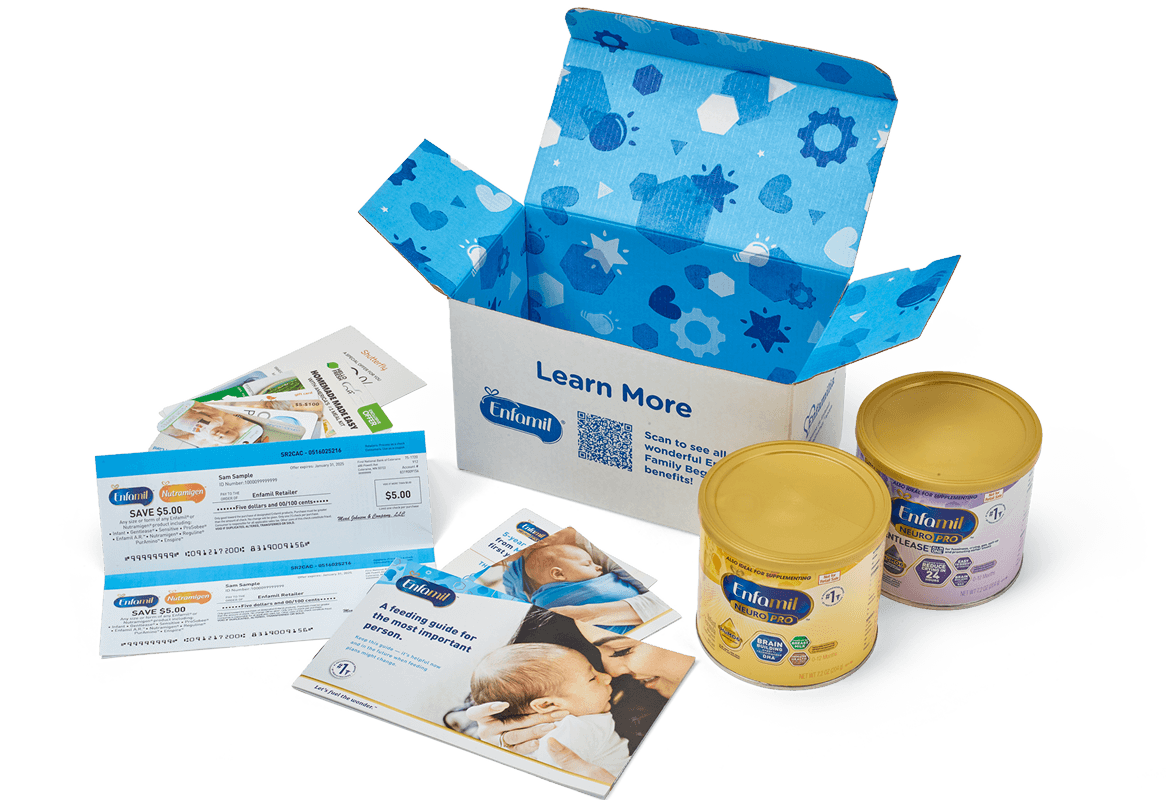
As with most things, practice makes perfect—and rest assured, you’ll get plenty of diaper-changing practice those first couple of years. In no time you’ll be a pro and be able to tackle your baby’s diaper with confidence. For more tips and resources on all things baby, including nutrition and feeding, be sure to join Enfamil Family Beginnings®. Enjoy up to $400 in savings, plus exclusive rewards, support, and surprises.
All information on Enfamil, including but not limited to information about health, medical conditions, and nutrition, is intended for your general knowledge and is not a substitute for a healthcare professional's medical identification, advice, or management for specific medical conditions. You should seek medical care and consult your doctor or pediatrician for any specific health or nutrition issues. Never disregard professional medical advice or delay seeking medical treatment, care, or help because of information you have read on Enfamil.
.png&w=3840&q=75)