Learn how to make baby formula that will support your little one’s growth.
Last Updated On: September 1, 2026
So you want to learn how to make baby formula? Here’s what you’ll need to get started:
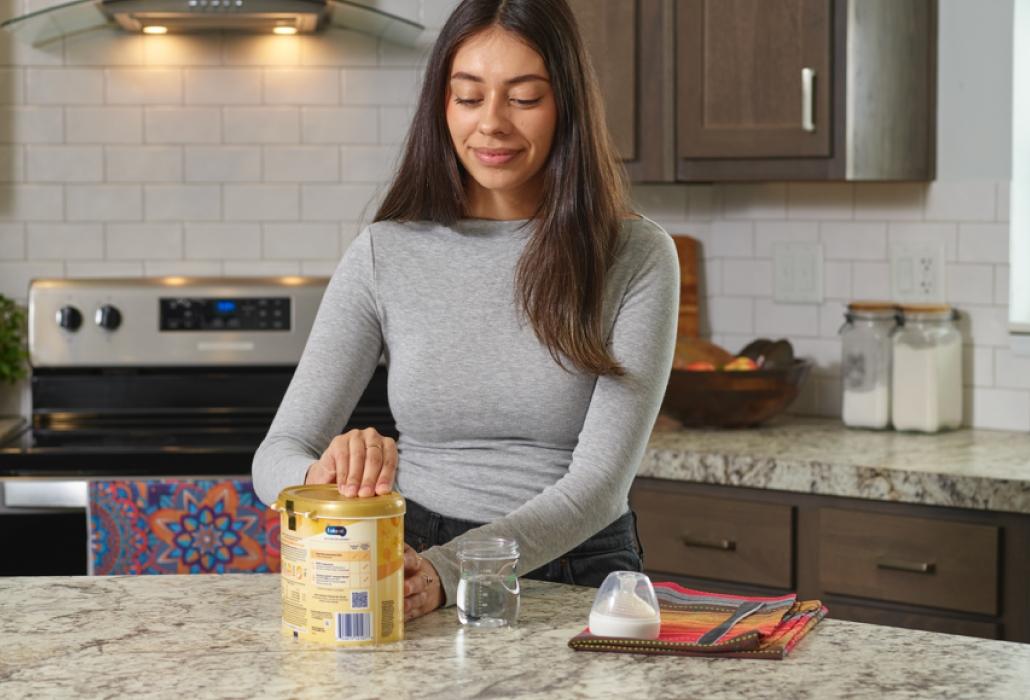
| Formula Type | How to Measure |
|---|---|
| Ready-to-Use | Comes pre-measured; check label for amount. Shake well and serve. |
| Liquid Concentrate | Check the label for the exact formula-to-water ratio. |
| Powdered Formula | Check the label for the exact formula-to-water ratio. |
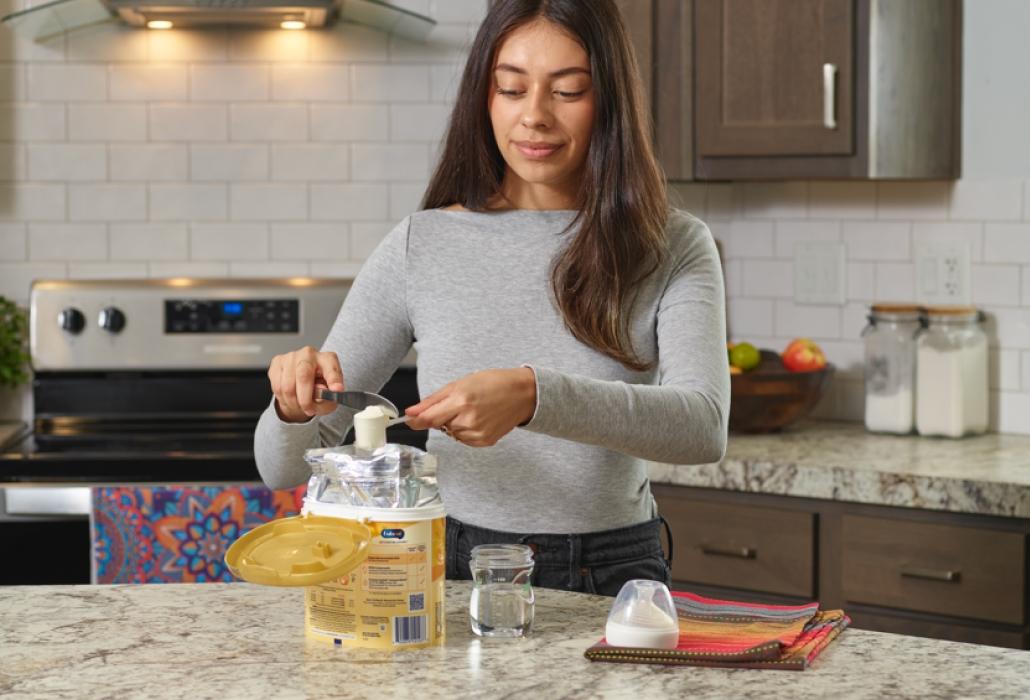
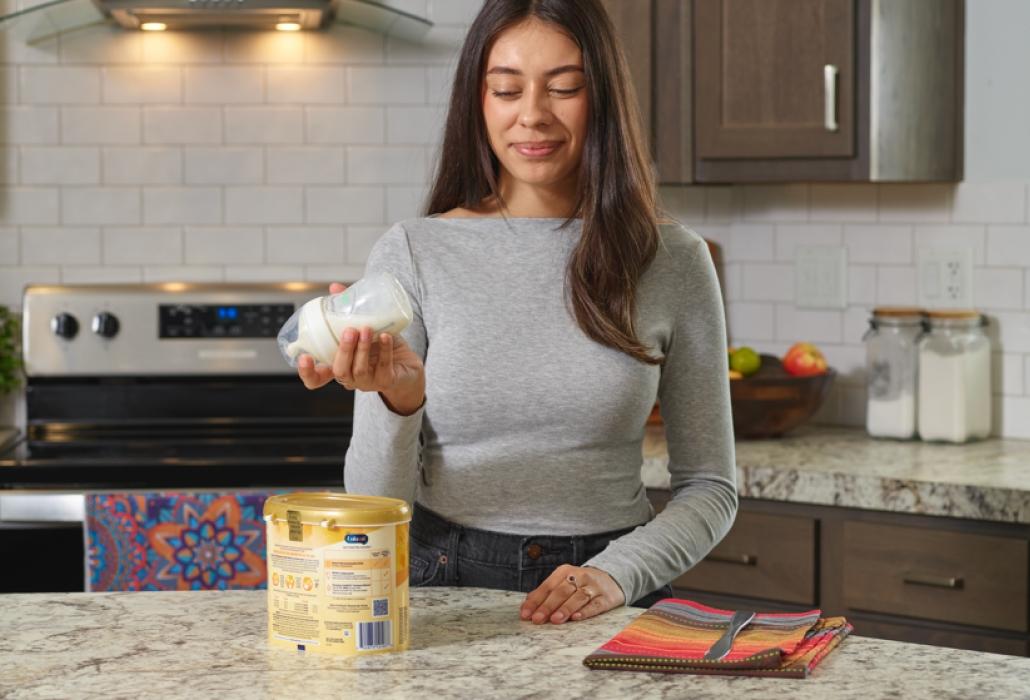
You'll want to use room temperature or cooler (35 to 75 degrees Fahrenheit) water for baby formula. Typically, tap water is safe, and it doesn’t need to be filtered.2 Your child's doctor can help you determine the correct water to mix with our products, and whether you need to sterilize the water. Here are a few more answers to questions you may have about water in formula:
Standard powdered formula uses 1 unpacked level scoop of powder for every 2 ounces (60 mL) of water.5 Here’s how many scoops of formula you’ll need for 2 ounces, 4 ounces, and other quantities of water:
| Water Amount | Formula Scoops |
|---|---|
| 2 oz (60 mL) | 1 scoop |
| 4 oz (120 mL) | 2 scoops |
| 6 oz (180 mL) | 3 scoops |
| 8 oz (240 mL) | 4 scoops |
How much formula to use all depends on the manufacturer’s instructions. Always use the exact measurements listed on the label.
Adding too much water can dilute the nutritional value of the formula. Too little water can dehydrate your baby and could cause harm to their kidneys.2
Adding water to the bottle first makes sure you get the perfect amount of ingredients every time.
Many babies like body temperature formula.5 If your baby prefers warm formula, you can heat up the bottle under running warm water. Avoid overheating or using the microwave, as these can burn your baby, especially if they’re starting to hold their bottle on their own.
Ideally, you’ll want to use baby formula within two hours of mixing it.
Now that you know how to make a formula bottle, here are a few additional tips to make the process easier and safer:
Mixing formula right doesn't have to stress you out, especially when sleep is short. Enfamil Family Beginnings offers feeding schedules, storage tips, and support so you handle bottles like a pro.
References:
1. https://www.healthychildren.org/English/ages-stages/baby/formula-feeding/Pages/how-to-safely-prepare-formula-with-water.aspx↗
2. https://www.cdc.gov/infant-toddler-nutrition/formula-feeding/preparation-and-storage.html↗
3. https://www.cdc.gov/hygiene/faq/↗
4. https://rmccares.org/2024/10/03/can-infants-drink-distilled-water-the-best-water-for-formula-feeding/#:~:text=Many%20pediatricians%20recommend%20using%20distilled%20water%20for,of%20nutrients%20from%20the%20formula%20without%20interference↗
5. https://www.seattlechildrens.org/conditions/a-z/bottle-feeding-formula-questions/↗
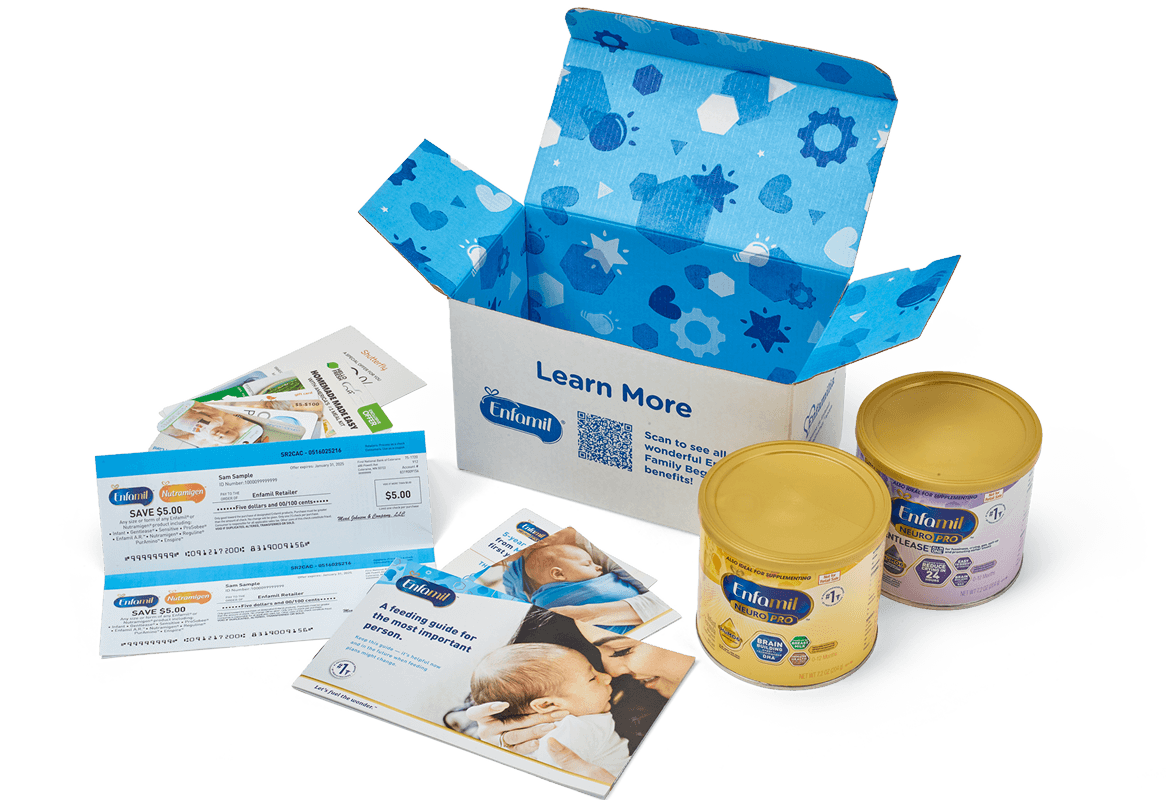
As with most things, practice makes perfect—and rest assured, you’ll get plenty of diaper-changing practice those first couple of years. In no time you’ll be a pro and be able to tackle your baby’s diaper with confidence. For more tips and resources on all things baby, including nutrition and feeding, be sure to join Enfamil Family Beginnings®. Enjoy up to $400 in savings, plus exclusive rewards, support, and surprises.
All information on Enfamil, including but not limited to information about health, medical conditions, and nutrition, is intended for your general knowledge and is not a substitute for a healthcare professional's medical identification, advice, or management for specific medical conditions. You should seek medical care and consult your doctor or pediatrician for any specific health or nutrition issues. Never disregard professional medical advice or delay seeking medical treatment, care, or help because of information you have read on Enfamil.
.png&w=3840&q=75)