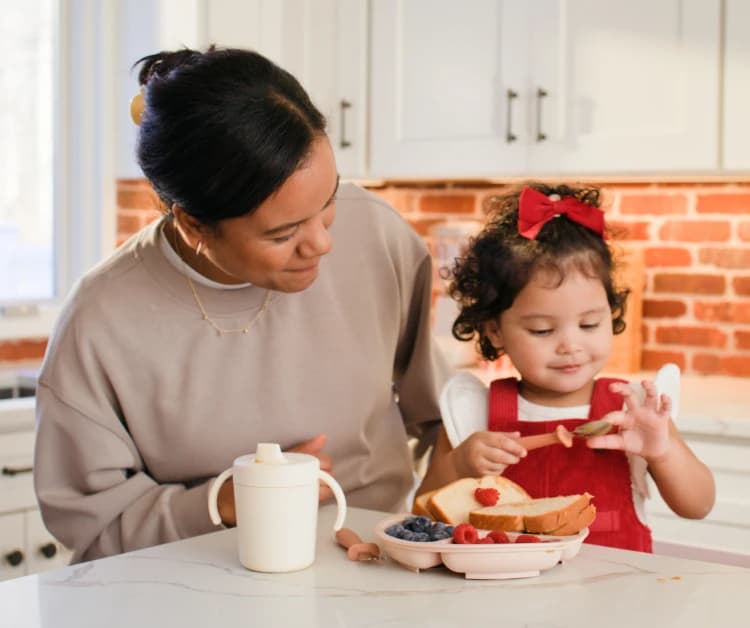
Many parents face the challenge of a toddler who turns down meals or insists on eating the same thing over and over. With a bit of patience, structure, and creativity, you can make mealtime less stressful and more fun for everyone.
Last Updated On: May 5, 2026


Understand That Picky Eating Is Common Among Toddlers
Patience, empathy, and engaging your little one can go a long way to inspire them to eat!
Balance Boundaries with Flexibility
Setting routines, offering healthy choices, and making mealtime a positive experience can help.
Timing Is Everything
Setting a consistent meal schedule (including snack time) and avoiding snacks and drinks close to mealtime helps toddlers develop healthy hunger cues and appetite.
Keep Re-Introducing Rejected Foods
It can take 10 to 15 exposures before a toddler accepts a new taste or texture.
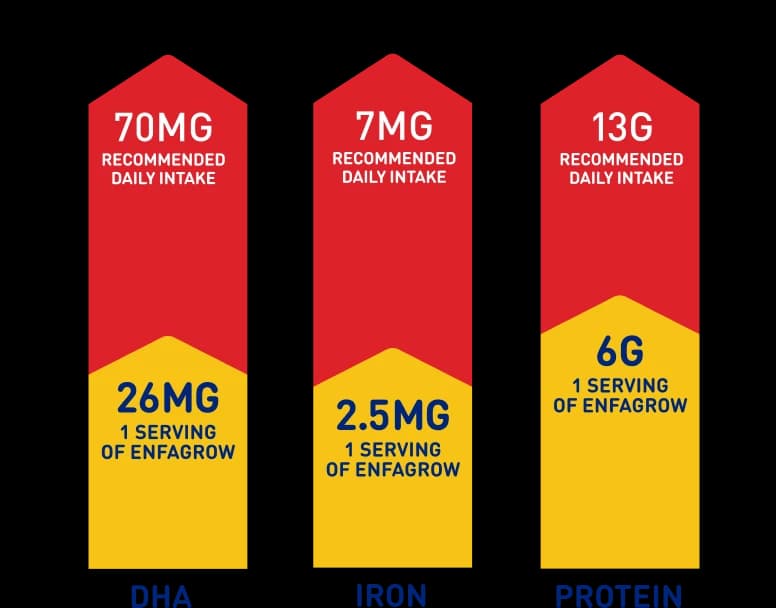
Enfagrow is a delicious, toddler-friendly drink expertly designed to help fill nutritional gaps to meet daily recommended intake.*
It has key nutrients like DHA, iron, and protein to help support brain development.
*Enfagrow is not a sole source of nutrition but a complement to a balanced diet.

-Dr. Prem Fort, MA, FAAP NA Medical Director
Raising a picky eater can be challenging and a source of frustration, but don’t give up. Here are some other resources that can help.
All information on Enfamil, including but not limited to information about health, medical conditions, and nutrition, is intended for your general knowledge and is not a substitute for a healthcare professional's medical identification, advice, or management for specific medical conditions. You should seek medical care and consult your doctor or pediatrician for any specific health or nutrition issues. Never disregard professional medical advice or delay seeking medical treatment, care, or help because of information you have read on Enfamil.
.png&w=3840&q=75)