
Swollen feet during pregnancy don't have to ruin your glow.
Last Updated On: July 15, 2026
Swollen feet during pregnancy are super common, especially later in pregnancy when your body is working overtime to support your baby. This fluid retention helps everything expand—including your feet—and it usually vanishes post-delivery in around 7 to 10 days with a vaginal delivery.3 If you received extra fluids during a C-section, then it may last a little longer.
Until then, we’ve got advice on how to ease swollen feet during pregnancy.
Your body pumps out about 50% more blood and fluids to keep your baby thriving—and this contributes to the development of puffiness or edema.1 This extra fluid helps your uterus expand and cushions your baby, but it can also collect in your lower body due to gravity and pressure from your growing uterus on blood vessels.4
The most common areas affected are feet, ankles, and legs.
.png&w=640&q=75)
Approximately 25 percent of the weight most women gain during pregnancy can be attributed to the extra fluids.
Feet and ankles tend to swell the most because they’re farthest from your heart, and gravity pulls fluid downward all day. Other reasons you might have swollen ankles in pregnancy include:4
Although pregnancy swelling can be experienced at any time, it’s often most noticeable around the fifth month of pregnancy and can increase during the third trimester.1
When do feet start swelling in pregnancy for other women? Some women notice swelling in pregnancy as early as the second trimester, while others don't experience much until closer to delivery.
Want to know how to help swollen feet? Try these tips.
Here are some tips on how to prevent swollen feet during pregnancy:
When does swelling begin in pregnancy for other parts of the body? It varies, but here are a few other places where you might see some puffiness.
Swollen ankles during pregnancy often accompany foot swelling and follow the same causes and remedies. Elevating feet when sitting is especially helpful.
Swollen hands during pregnancy can make rings feel tight. Remove jewelry early and soak hands in cool water for relief.
Why do pregnant women have a swollen face? Face swelling during pregnancy usually happens because of fluid retention, but it can also be a sign of preeclampsia, so you’ll want to contact your healthcare provider right away.1
Some swelling during pregnancy is normal, but contact your doctor if you notice:
Swollen feet during pregnancy are uncomfortable but usually harmless. Simple changes like the ones we’ve covered can totally transform your comfort. For even more comfort during your pregnancy journey, join Enfamil Family Beginnings®. This program guides you through every puffy moment with coupons and infant formula samples that can support your baby’s development.
References:
1. https://americanpregnancy.org/pregnancy/swelling-during-pregnancy/↗
2. https://www.cdc.gov/blood-clots/about/index.html↗
3. https://www.uwmedicine.org/sites/stevie/files/2018-11/Taking-Care-Yourself-After-Birth-English.pdf↗
4. https://www.franciscanhealth.org/community/blog/swollen-feet-pregnancy↗
5. https://www.mayoclinic.org/healthy-lifestyle/pregnancy-week-by-week/in-depth/pregnancy-weight-gain/art-20044360↗
6. https://www.fhcsd.org/prenatal-care/swelling-in-pregnancy-when-to-worry/↗
7. https://www.mayoclinic.org/healthy-lifestyle/pregnancy-week-by-week/expert-answers/swelling-during-pregnancy/faq-20058467↗
8. Khosla K, Jin Y, Espinoza J, Kent M, Gencay M, Kunz LH, Mueller A, Xiao Y, Frank Peacock W, Neath SX, Stuart JJ, Woelkers D, Harris JM, Rana S. Signs or symptoms of suspected preeclampsia - A retrospective national database study of prevalence, costs, and outcomes. Pregnancy Hypertens. 2024 Jun;36:101124. doi: 10.1016/j.preghy.2024.101124.
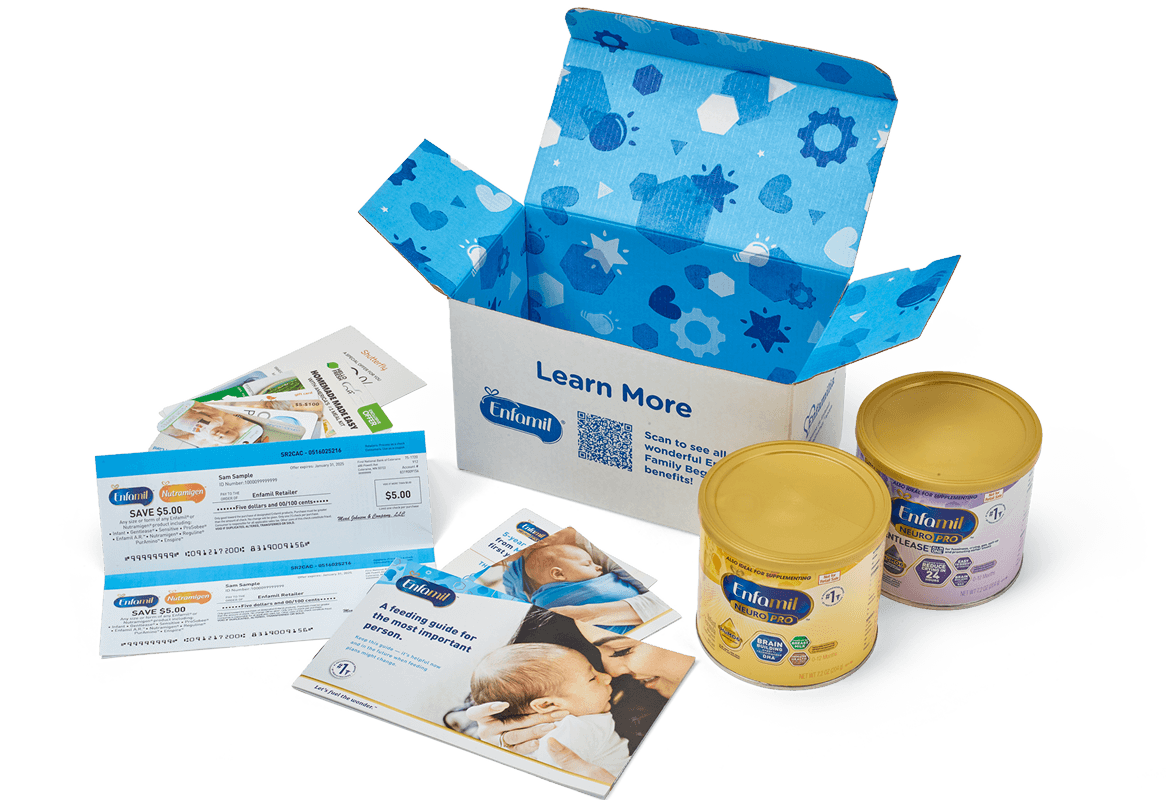
During your pregnancy, you and your baby experience exciting changes every day. Prepare for your new arrival with help from Enfamil Family Beginnings. It’s the perfect resource for new and expecting moms. Save on Enfamil products, track your pregnancy and baby’s growth, and get helpful articles relevant to your journey.
Join NowAll information on Enfamil, including but not limited to information about health, medical conditions, and nutrition, is intended for your general knowledge and is not a substitute for a healthcare professional's medical identification, advice, or management for specific medical conditions. You should seek medical care and consult your doctor or pediatrician for any specific health or nutrition issues. Never disregard professional medical advice or delay seeking medical treatment, care, or help because of information you have read on Enfamil.
.png&w=3840&q=75)