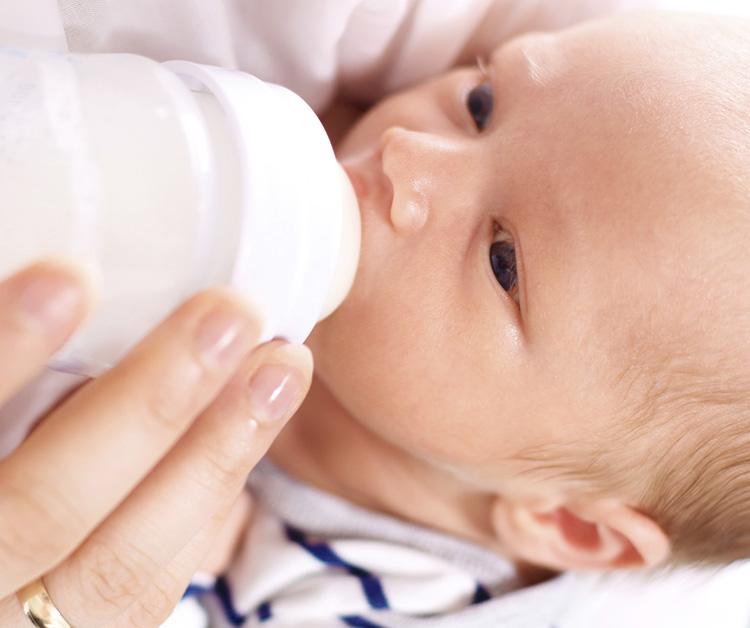
Strategies and tips for when your baby just doesn’t want to drink from the bottle.
Ever had that moment where you offer your baby a bottle, and they give you that look like, "nope, not today." You’re definitely not alone! Sometimes a baby refuses a bottle because they’re simply not hungry, but other times it just takes a little coaxing and/or trial and error to get them comfortable with drinking from a bottle. Whether you’re transitioning to bottle feeding, or introducing bottle feeding to a newborn, here are some general tips if you find your baby is rejecting the bottle:
Some babies need to learn to associate bottles with feeding, and offering a bottle while breastfeeding can help them make that association.
Sometimes, babies associate the bottle with the mother and may refuse it when she's the one offering it. Having another caregiver or family member offer the bottle can sometimes lead to success.
Experimenting with different feeding positions can make the bottle more appealing to your baby. Some babies may prefer being held upright, while others might be more comfortable in an angled position.
Some babies are comforted by familiar scents. Wrapping the bottle in a shirt that the mom has worn can make it smell like her, and make your baby more receptive to feeding.
Instead of putting the bottle directly into your baby's mouth, allow them the opportunity to explore and latch onto it themselves. This can help them feel more in control and comfortable with the bottle.
The type of bottle nipple you use can make a difference. Experimenting with different shapes, sizes, and flow rates can help you find one that your baby prefers.
It’s important to ensure the formula you’re giving your baby has been stored and prepared properly for your baby’s safety. (Learn how to prepare baby formula in 3 easy steps)If you notice anything unusual about the formula product, if the expiration date has passed, or if it was not prepared correctly, you should discard the product immediately and not use it. If you are concerned that your Enfamil product may have spoiled, put it aside and call us 1-800-BABY-123.
Teething babies sometimes prefer cold liquids, as it can provide relief for their sore gums. Adjusting the temperature of the milk or formula may make it more appealing to them during this time.
If your baby is refusing the bottle, it's important to find alternative ways to keep them hydrated. This can be tricky because babies get most of their hydration from breastmilk and/or formula, and you’re generally not supposed to give an infant less than 6 months of age water unless advised by your pediatrician. Here are some things to keep in mind:
If your baby continues to refuse the bottle and you're concerned about their hydration or nutritional intake, it's essential to consult with their pediatrician. Persistent refusal could be an indication of an underlying issue that needs to be addressed.
Navigating bottle refusal can be challenging, but with patience, persistence, and the right strategies, you can help your baby transition successfully and ensure they're getting the nourishment they need for healthy growth and development. If you're struggling with feeding issues or have questions about your baby's nutrition, consider joining Enfamil Family Beginnings®. This program offers support, resources, and personalized advice to help navigate the challenges of early parenthood.
All information on Enfamil, including but not limited to information about health, medical conditions, and nutrition, is intended for your general knowledge and is not a substitute for a healthcare professional's medical identification, advice, or management for specific medical conditions. You should seek medical care and consult your doctor or pediatrician for any specific health or nutrition issues. Never disregard professional medical advice or delay seeking medical treatment, care, or help because of information you have read on Enfamil.
.png&w=3840&q=75)