Wondering how to sterilize newborn bottles? Use boiling water, steam, or diluted bleach to keep your baby’s bottle clean.
Last Updated On: June 25, 2026
Sterilizing baby bottles helps remove harmful bacteria and other germs that regular washing may not fully get rid of.1 Obviously, all babies can benefit from that! But it’s especially important for newborns because their immune systems are still developing.
Keep in mind, cleaning and sterilizing are not the same thing. Cleaning removes milk, formula residue, and surface debris. Sterilizing baby bottles goes further by reducing more germs.
Knowing how to sterilize baby bottles is a great skill to have. No matter which method you choose, always start by washing the bottles, nipples, and rings with warm, soapy water first.
The boiling method is a simple and traditional bottle sterilization technique that requires just a pot and a stove. Here’s how long to boil bottles to sanitize them:
You can steam-sterilize baby bottles using an electric steam sterilizer. Here’s how to sterilize bottles using an electric steamer:2
Want to know how to sterilize baby bottles without a sterilizer? Pro tip: Use a microwave or dishwasher to create steam that sanitizes bottles.
.png&w=1080&q=75)
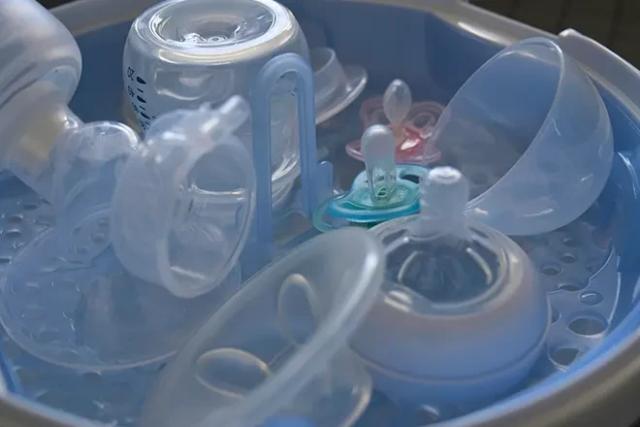
Steam is generally the most dependable way to kill pathogens that could harm your baby.
When diluted, bleach is a good way of sterilizing infant bottles. Be sure to use this method in a well-ventilated area and keep bleach out of reach of children. Wear gloves to protect sensitive skin while taking these steps:
It depends on the method you’re using:
It's best to clean your bottle after every use and sterilize it at least once daily. That’s especially true:2
The good news is that you probably don’t have to do bottle sterilization that often if your baby is older and thriving. That said, it doesn’t hurt to sterilize more frequently if your baby is sick or you’re traveling and afraid of extra germs.
Here’s how to sterilize baby bottles on the stove, steamer, or with bleach in a way that’s safe for everyone:
Bottle care can feel like a lot, especially when you’re making the breast to bottle transition and feel like you’re washing newborn bottles 24/7. Enfamil Family Beginnings is here to help with supportive feeding guidance, practical tips, and resources that make everyday routines feel a little easier.
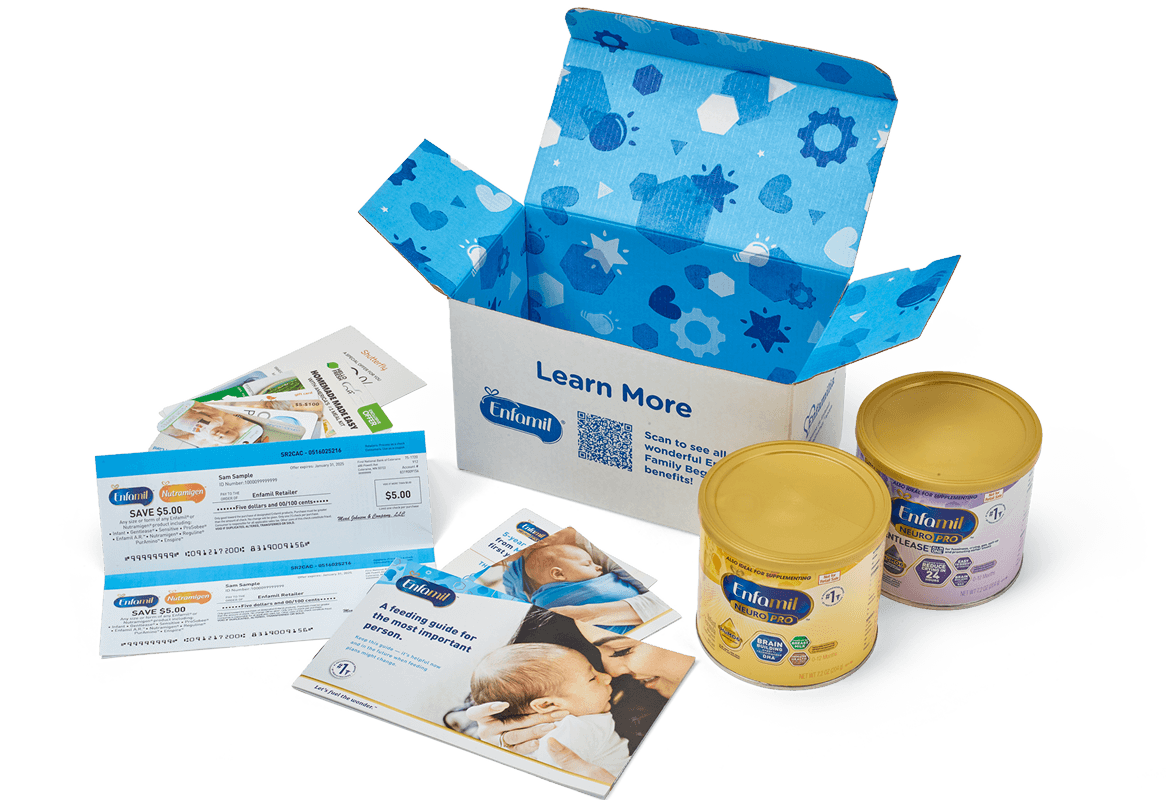
As with most things, practice makes perfect—and rest assured, you’ll get plenty of diaper-changing practice those first couple of years. In no time you’ll be a pro and be able to tackle your baby’s diaper with confidence. For more tips and resources on all things baby, including nutrition and feeding, be sure to join Enfamil Family Beginnings®. Enjoy up to $400 in savings, plus exclusive rewards, support, and surprises.
All information on Enfamil, including but not limited to information about health, medical conditions, and nutrition, is intended for your general knowledge and is not a substitute for a healthcare professional's medical identification, advice, or management for specific medical conditions. You should seek medical care and consult your doctor or pediatrician for any specific health or nutrition issues. Never disregard professional medical advice or delay seeking medical treatment, care, or help because of information you have read on Enfamil.
.png&w=3840&q=75)